


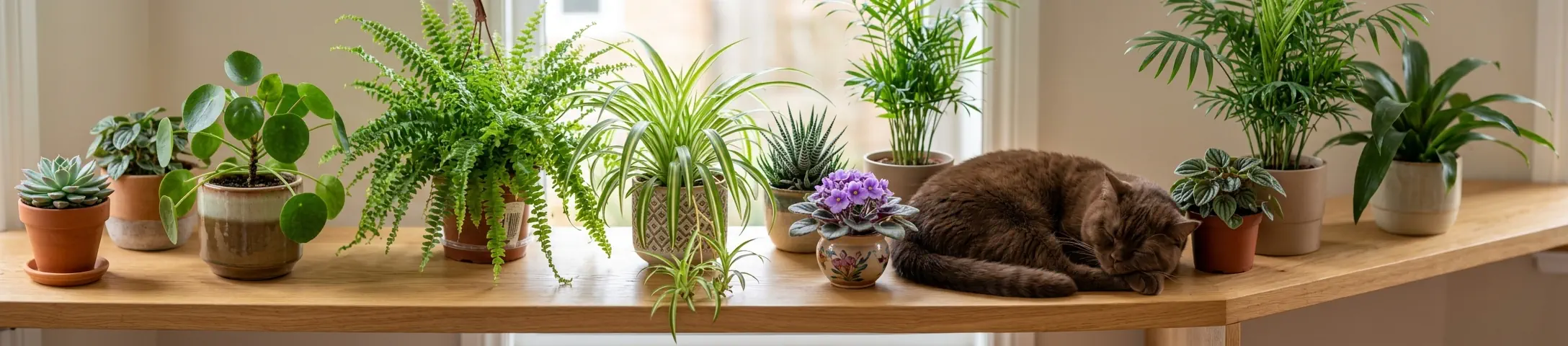
Cats are naturally curious animals. Their instinct drives them to explore their surroundings not only through smell and touch but often through taste as well. When a kitten from our cattery arrives in a new home, owners frequently ask about the starter kit, food, and litter. However, they less often consider what is standing on their windowsills.
As the British Rainbow*PL cattery, we feel obligated to warn you: your home jungle can be a deadly threat to your cat.
A cat's body functions differently than that of a human or a dog. Cats lack certain enzymes in their liver necessary to break down specific chemical compounds. Substances that are harmless to us, or might only cause indigestion in a dog, can mean the following for a cat:
- Acute kidney failure (often irreversible and fatal).
- Liver damage.
- Heart rhythm disturbances and cardiac arrest.
- Severe irritation of the mouth, esophagus, and stomach, leading to swelling and suffocation.
Below is a list of plants that must be removed from the cat's reach or taken out of the house entirely.
⛔ THE BLACKLIST: Deadly Dangerous Plants
Contact with these plants requires immediate veterinary intervention. Often, a single bite of a leaf is enough, and in the case of lilies – even drinking water from the vase or brushing against the pollen.
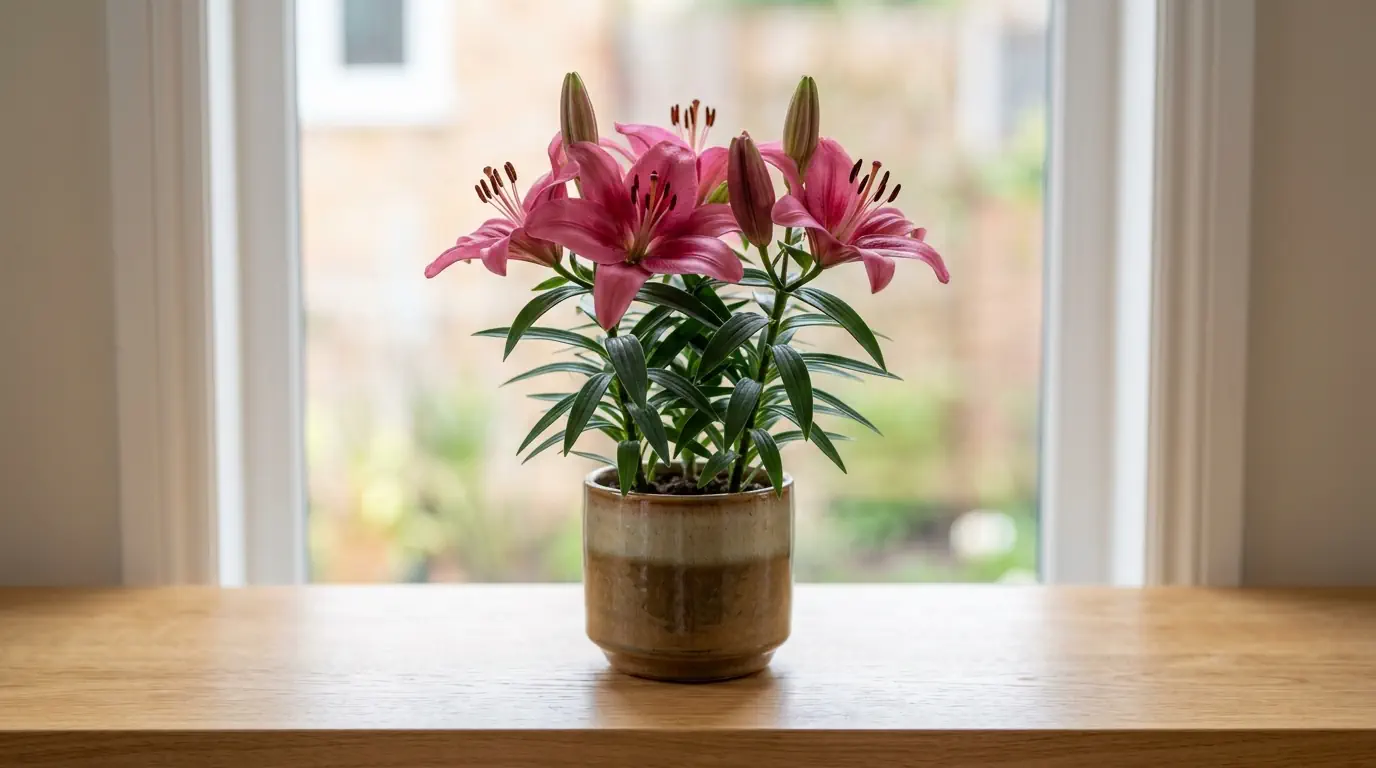
1. Lilies (Lilium) and Daylilies (Hemerocallis)
This is absolute enemy number one. All parts of the plant are toxic.
- Consequences: Sudden, acute kidney failure. Death can occur within a few dozen hours without rapid dialysis.
- Note: This applies to many popular varieties, e.g., Easter lily, tiger lily, Asian lily.
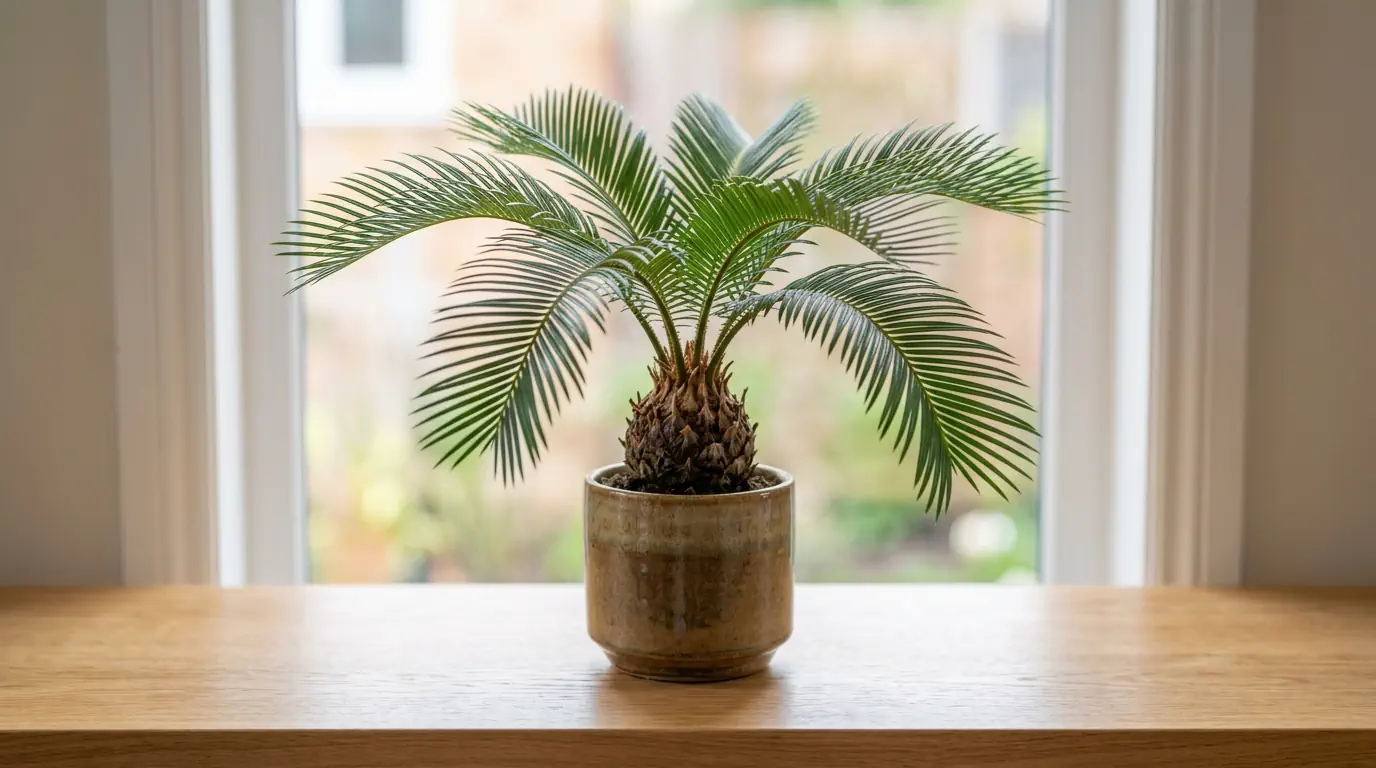
2. Sago Palm (Cycas revoluta)
A popular indoor "palm."
- Consequences: Liver failure, blood clotting disorders. The mortality rate in case of ingestion is very high.
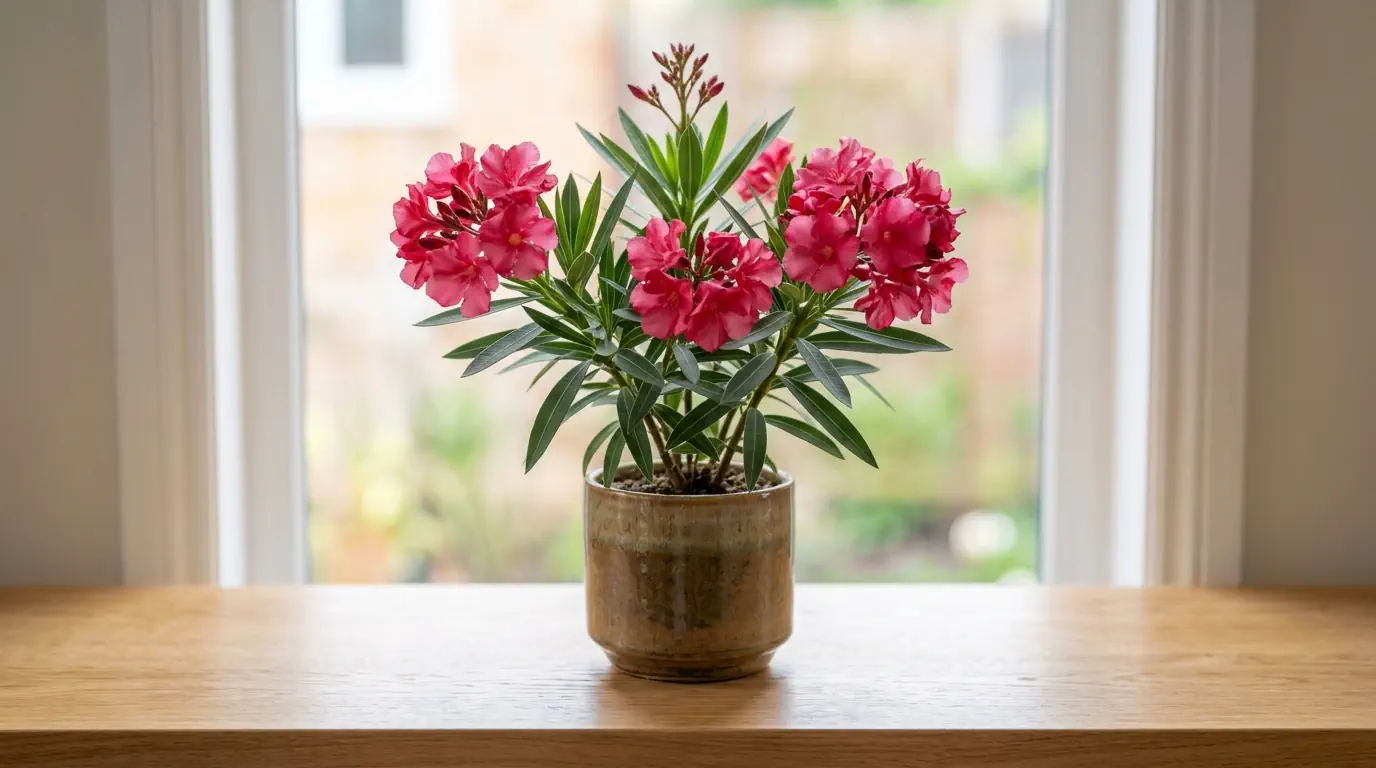
3. Oleander (Nerium oleander)
- Consequences: Contains cardiac glycosides. Causes heart rhythm disturbances, drop in blood pressure, hypothermia, and death.
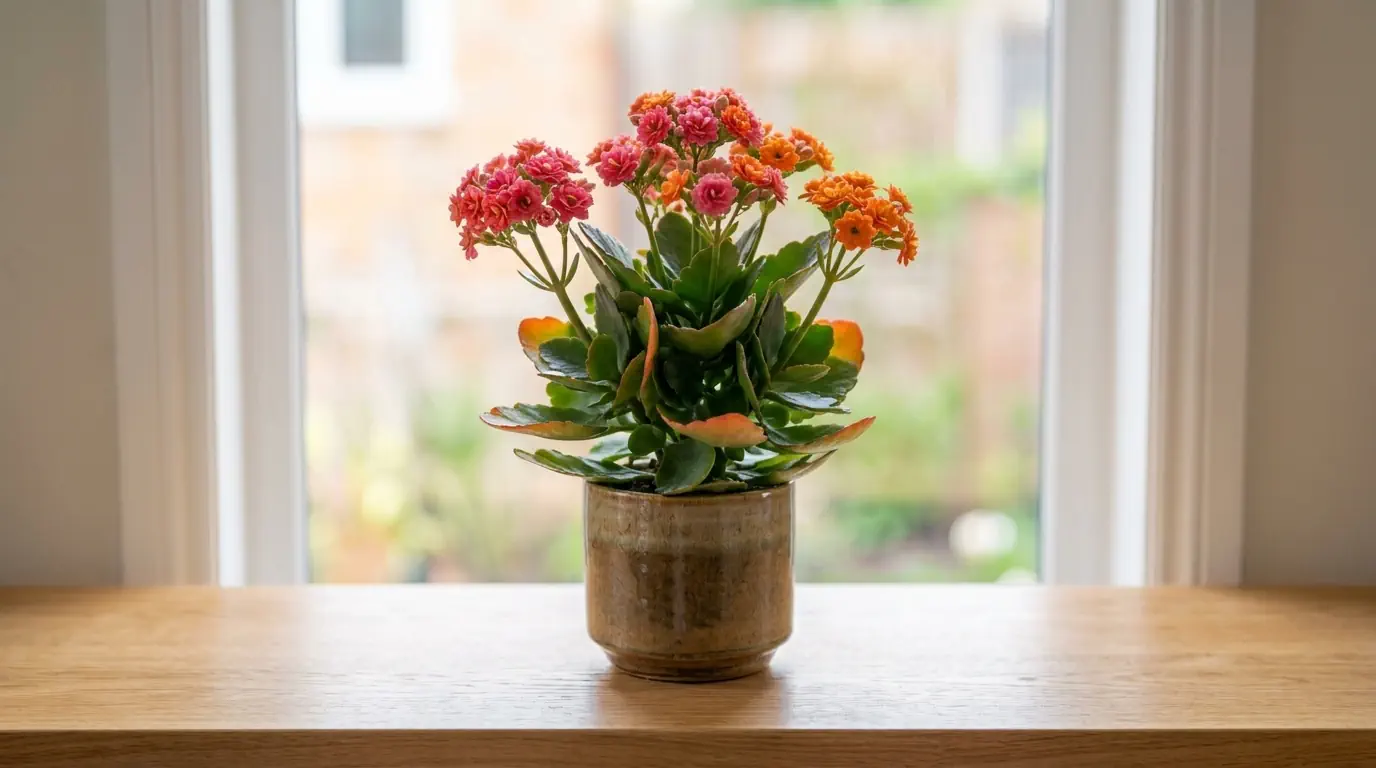
4. Kalanchoe (Kalanchoe)
A very popular flowering potted plant.
- Consequences: Heart rhythm disturbances, seizures, gastrointestinal irritation.
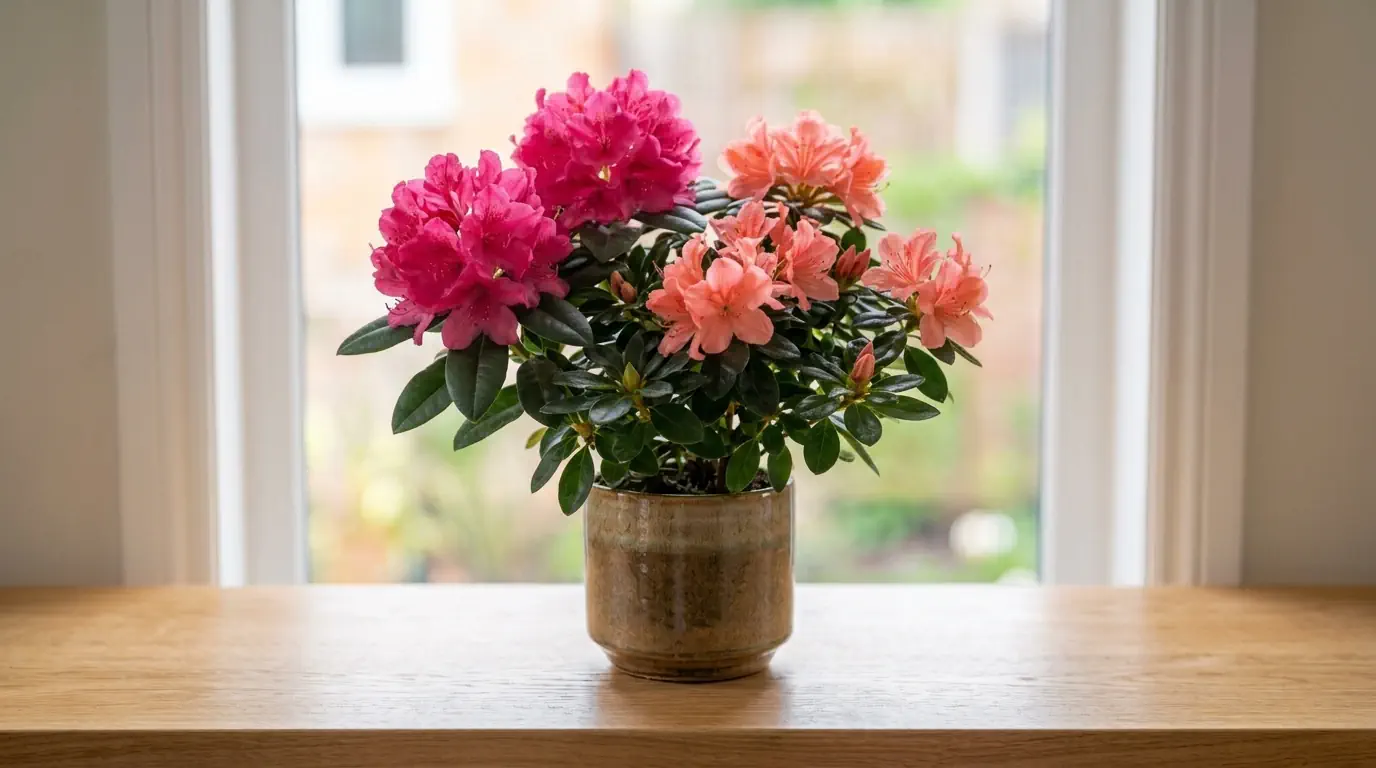
5. Azalea and Rhododendron (Rhododendron)
- Consequences: Nervous system paralysis, coma, heart rhythm disturbances. Even a few leaves can be toxic.
⚠️ WARNING LIST: Highly Irritating and Toxic Plants
These plants cause painful ailments, severe poisoning, and organ damage. They require absolute isolation from the cat.
Plants Containing Calcium Oxalates (Insoluble)
When bitten, these plants release microscopic crystals that embed themselves into the mucous membranes like needles. They cause immense pain, drooling, and swelling.
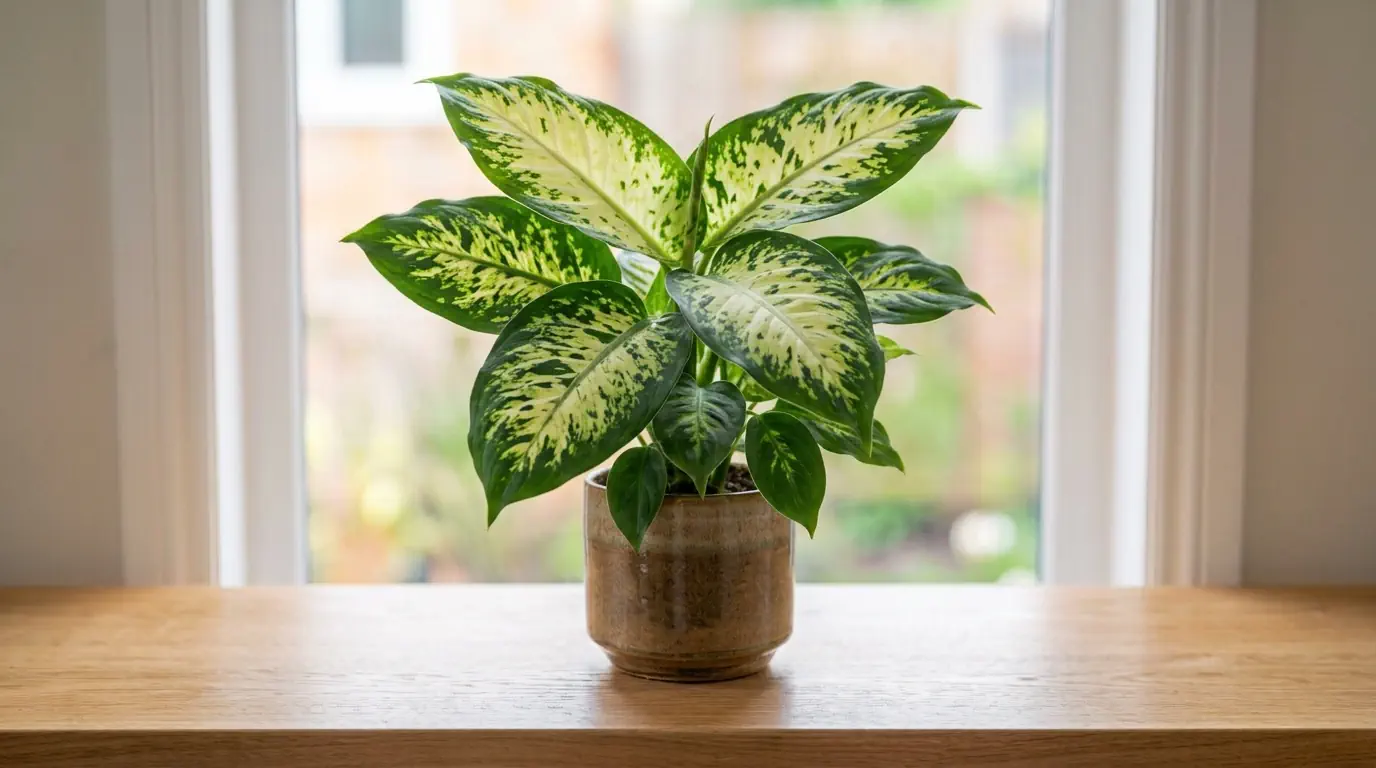
Dieffenbachia (Dieffenbachia)
Can lead to laryngeal edema and suffocation.
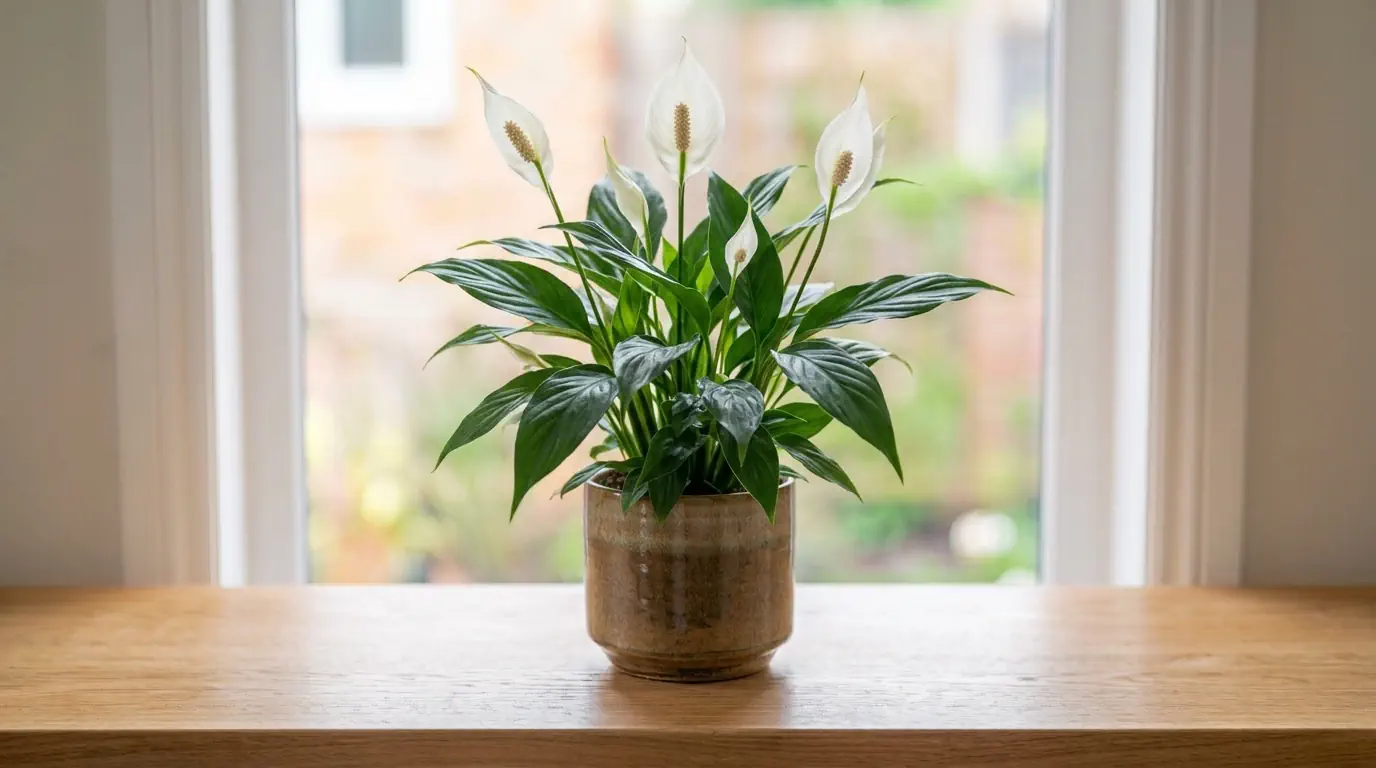
Peace Lily (Spathiphyllum)
Often confused with true lilies (though less toxic to kidneys, it strongly irritates the mouth).
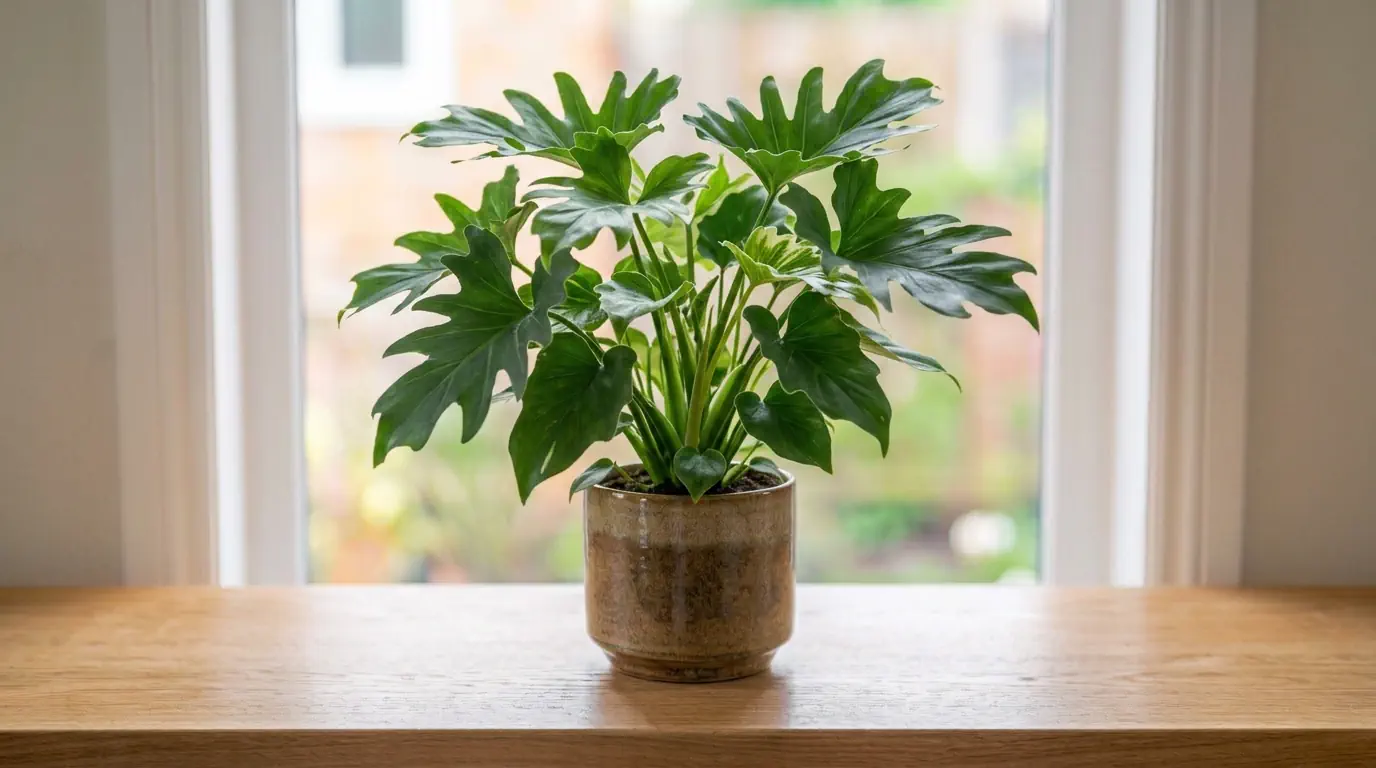
Philodendron (Philodendron)
A popular vine, highly irritating.
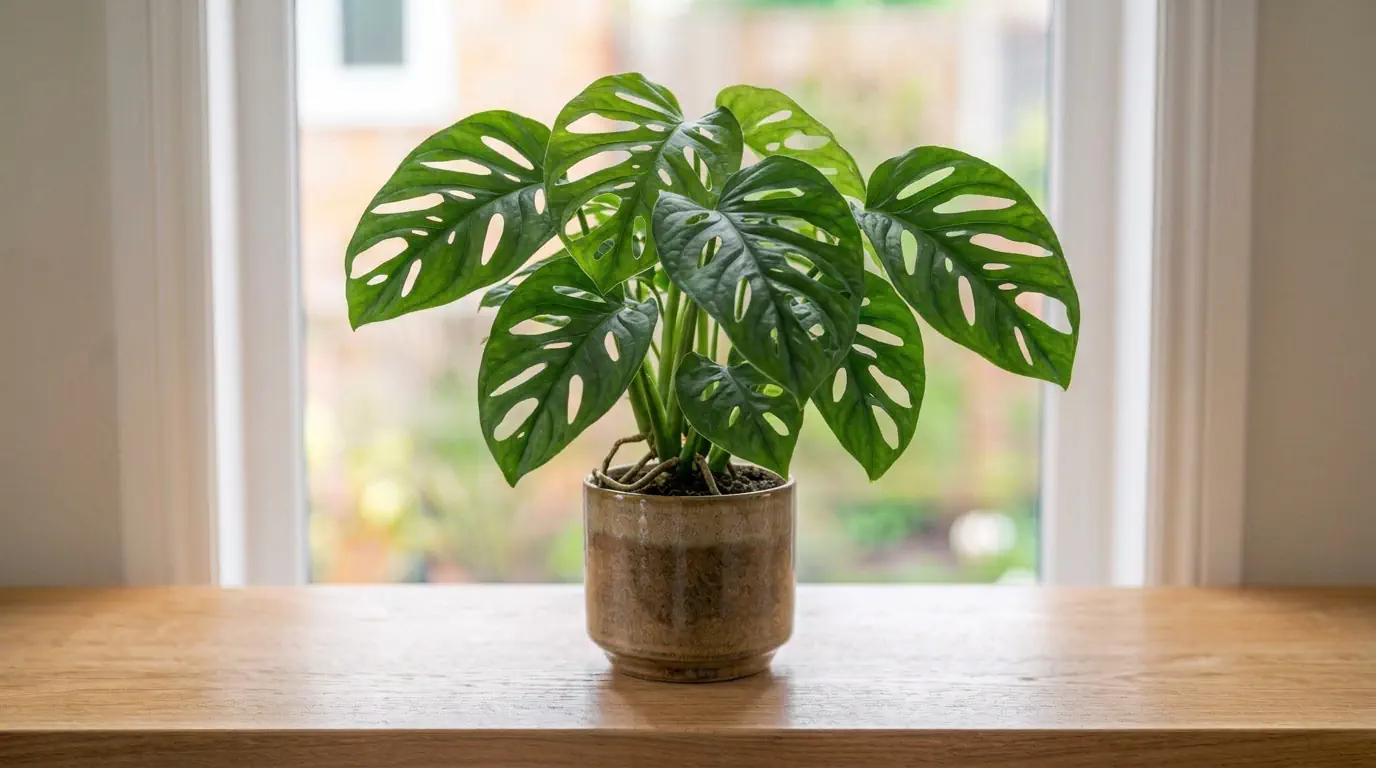
Swiss Cheese Plant (Monstera deliciosa)
The queen of living rooms, unfortunately dangerous to the cat's mouth and kidneys if consumed in large amounts.
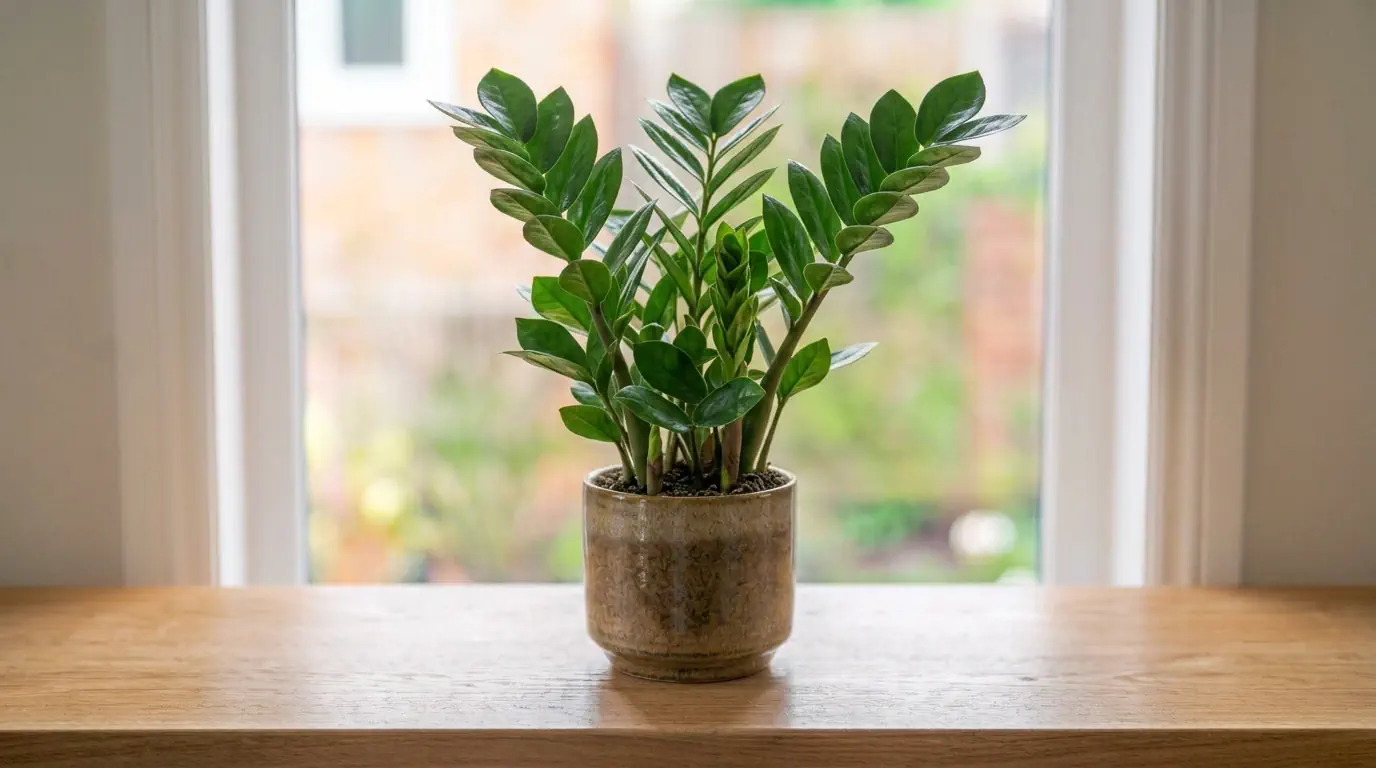
ZZ Plant (Zamioculcas zamiifolia)
An "iron plant," but toxic. Causes vomiting and abdominal pain.
Bulbous Plants (Cut and Potted)
The bulbs themselves are particularly dangerous, but the leaves and flowers are also harmful.
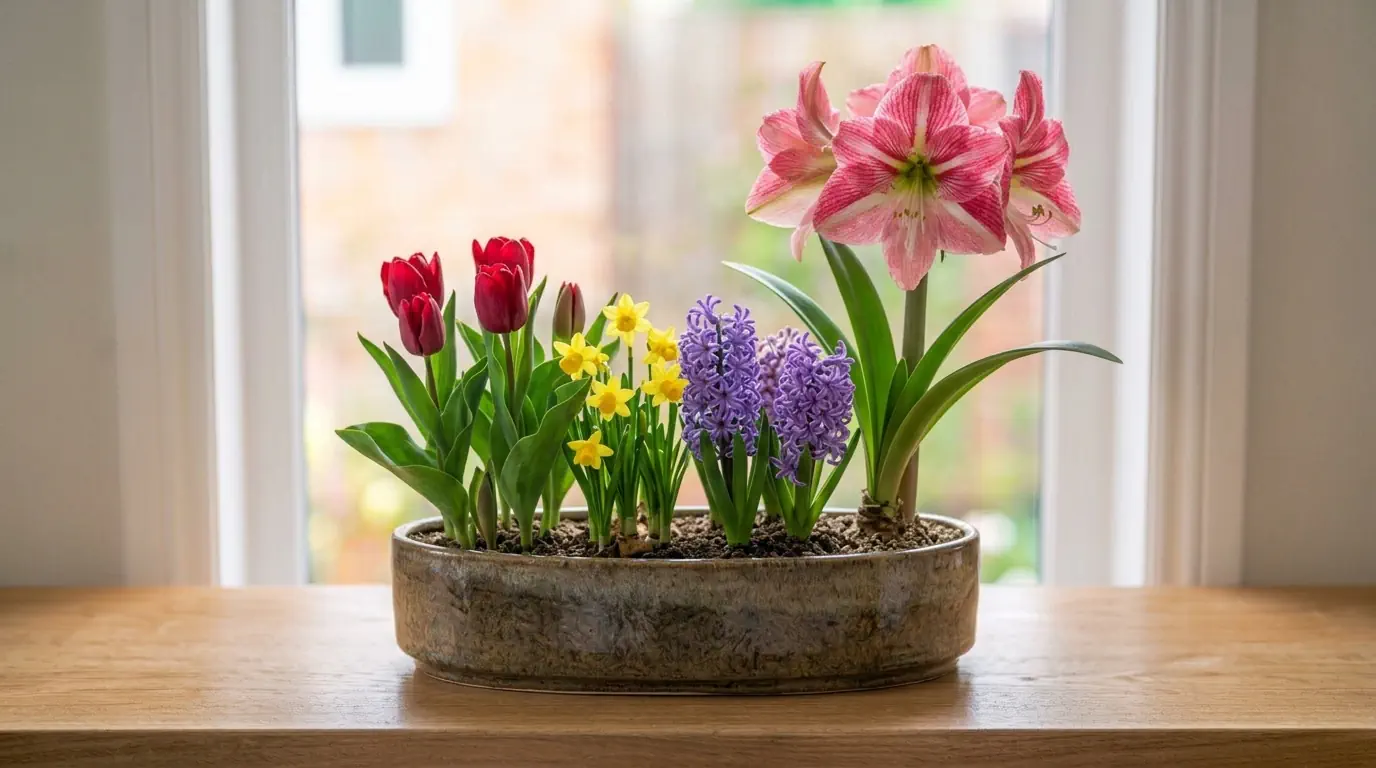
Bulbous Plants
- Tulip (Tulipa)
- Daffodil / Narcissus (Narcissus)
- Hyacinth (Hyacinthus)
- Amaryllis (Hippeastrum)
- Consequences: Severe vomiting, diarrhea, abdominal pain; in extreme cases, heart rhythm disturbances.
Other Common Harmful Plants
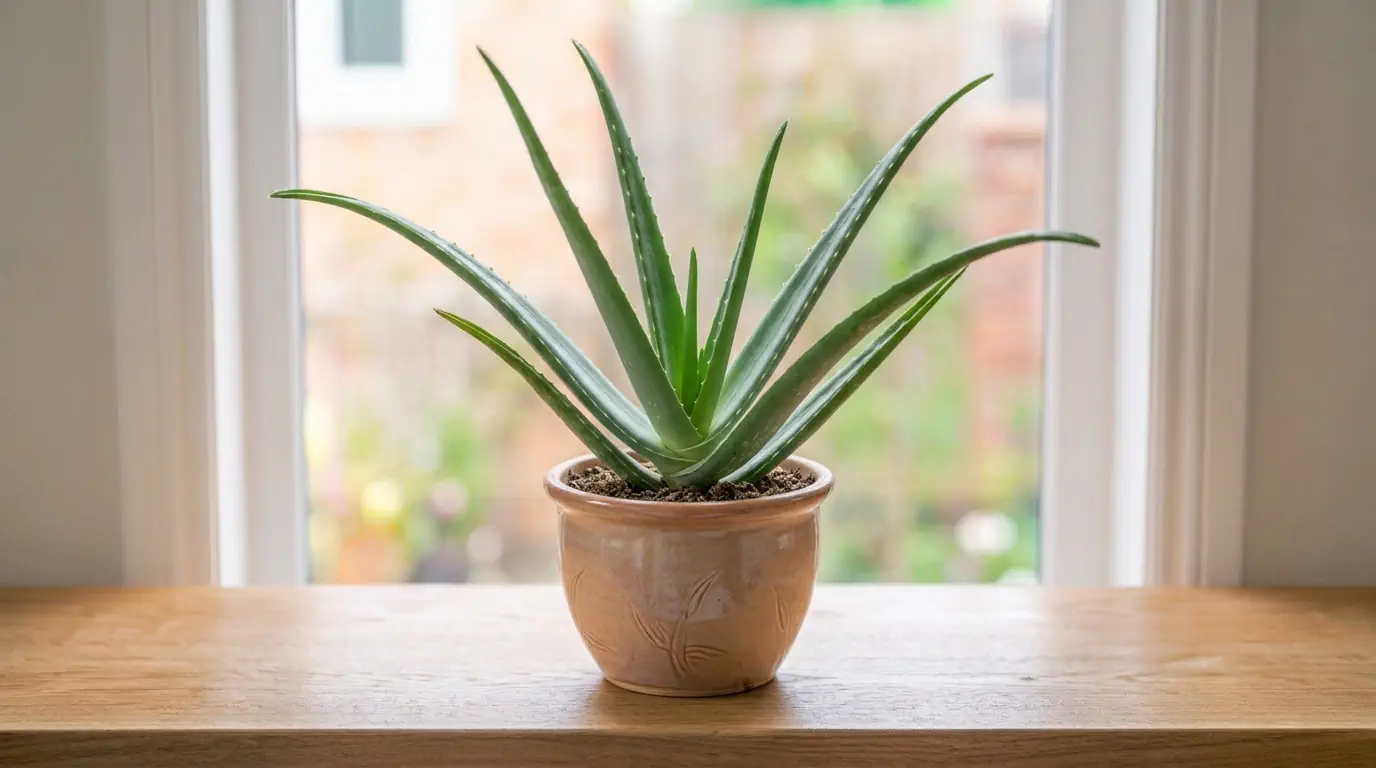
Aloe Vera (Aloe vera)
Despite healing properties for humans, saponins cause severe diarrhea, vomiting, and tremors in cats.
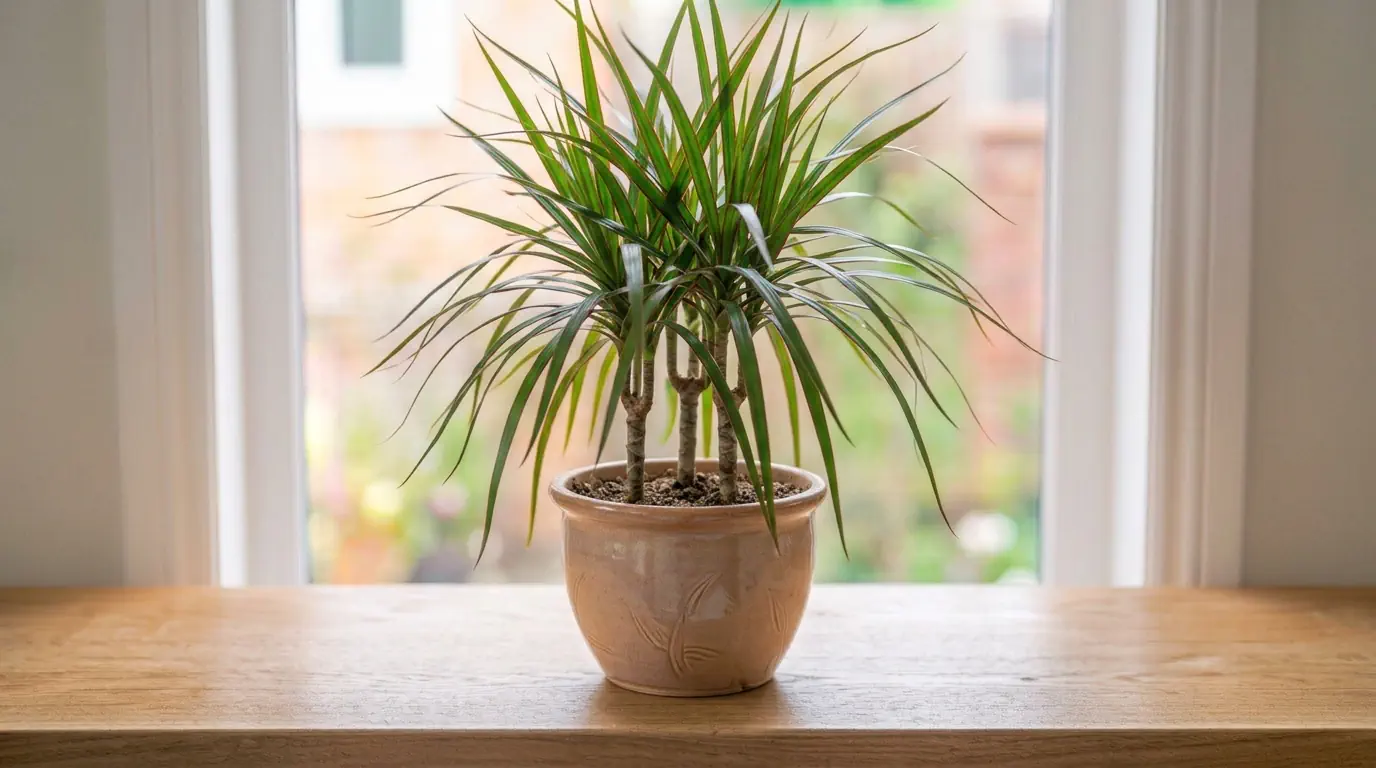
Dracaena (Dracaena)
Causes bloody vomiting, weakness, and dilated pupils.
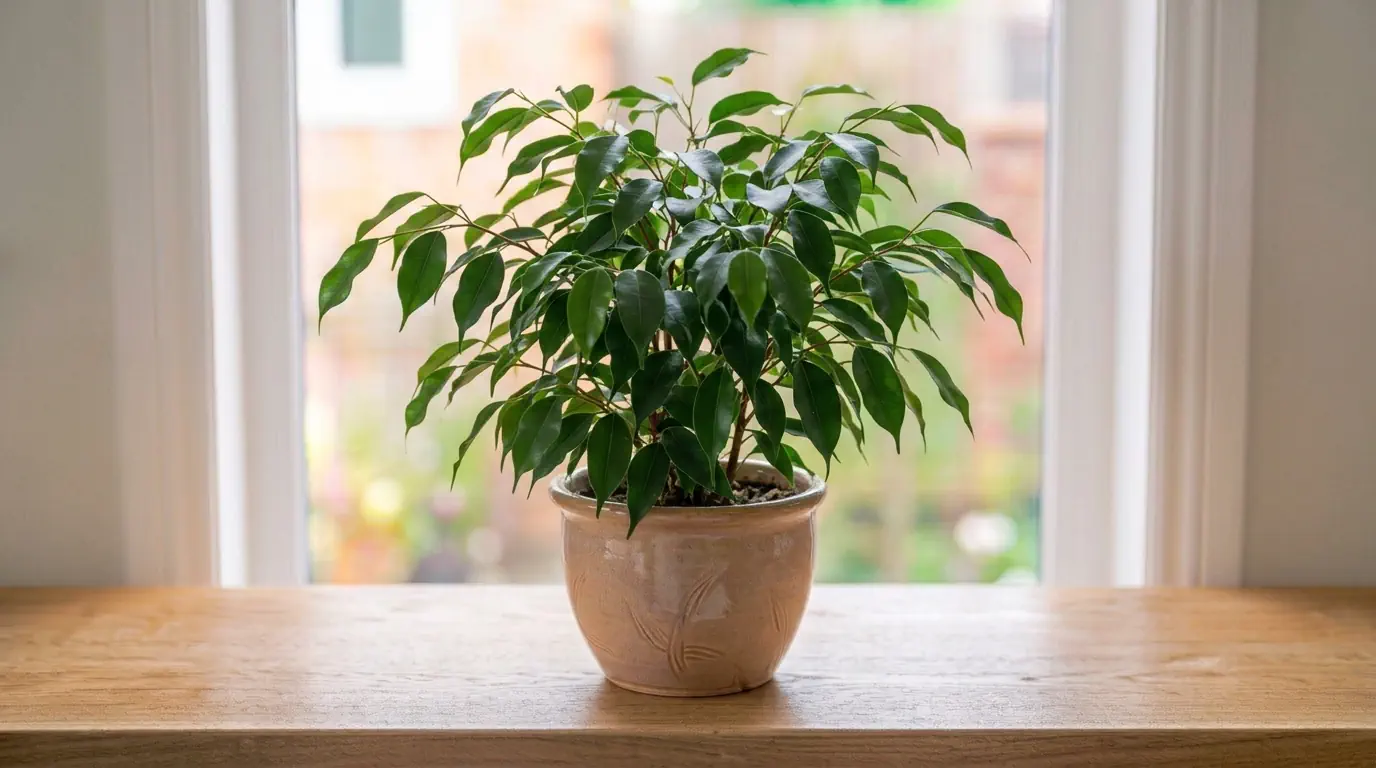
Ficus / Fig Tree (Ficus – e.g., benjamina, elastica)
Milky sap strongly irritates the skin and gastrointestinal tract.
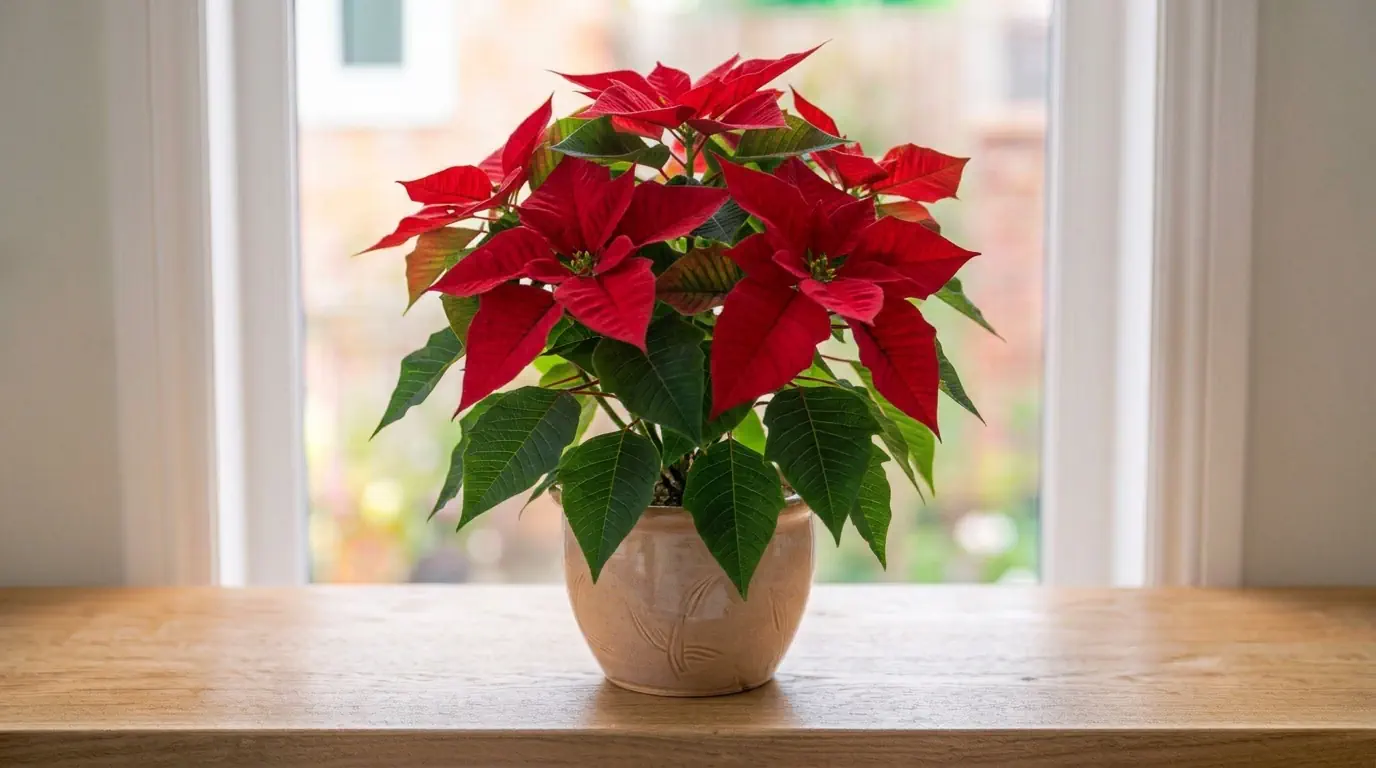
Poinsettia (Euphorbia pulcherrima)
Although its toxicity is often exaggerated, it still causes mouth irritation and vomiting.
How to secure your home before the cat arrives?
At British Rainbow*PL, we always repeat: prevention is better than cure.
- Perform an audit: Check every plant in your home. If you don't know its name, use a plant identification app (e.g., Google Lens).
- Remove the threat: Plants from the "Blacklist" (Lilies, Sago Palms) must disappear from the home. It is not enough to place them "higher up." Cats are excellent climbers.
- Monitor bouquets: When receiving cut flowers, make sure they do not contain lilies or baby's breath (Gypsophila, which is also harmful).
- Provide an alternative: Cats often nibble on plants to clear their stomachs of hairballs. Sow safe oats or cat grass for them.
What to do if a cat eats a poisonous plant?
If you suspect your cat has eaten something toxic:
- Don't wait for symptoms! In the case of lilies, it might be too late by then.
- Secure the evidence: Take a photo of the bitten plant or bring it with you.
- Go to the vet immediately.
- Do not induce vomiting on your own (unless specifically instructed by a doctor) – in the case of irritating plants, this can worsen esophageal burns.
Remember, the health of your British friend is in your hands. A beautiful interior can be created with safe plants (e.g., Areca palms, Calathea, or Spider plants) without risking your pet's life.
🐾 Have questions about cat safety at home?
Visit our contact section, we will gladly advise and help you prepare your home for the arrival of a new family member.
Contact us →